
Reclaimed Timber vs New Timber: What’s Better for Furniture?
Choosing the right timber is one of the most important decisions in any furniture project. Two question that come up frequently are:
- Should I select reclaimed timber or new timber?
- What timber should I use?
The answer depends on what you value. Understanding the differences makes this decision much easier
What Is Reclaimed Timber?
Reclaimed timber is wood that has been salvaged from previous structures. This might include old homes, Industrial buildings, Bridges and Factory floors. Instead of being discarded, the material is repurposed for something new
The Case for Reclaimed Timber
- Character and history. Reclaimed timber carries visible signs of its past so expect grain variation, markings, and natural imperfections that can’t be replicated
- Sustainability. Reclaimed timbers reduce demand for logging and gives existing material a second life. Where possible I source my reclaimed hardwoods from the region as this helps the local economy and reduces our carbon footprint
- Stability. Older timber has often gone through decades of movement and settling. which makes it more stable to work with
The Case for New Timber
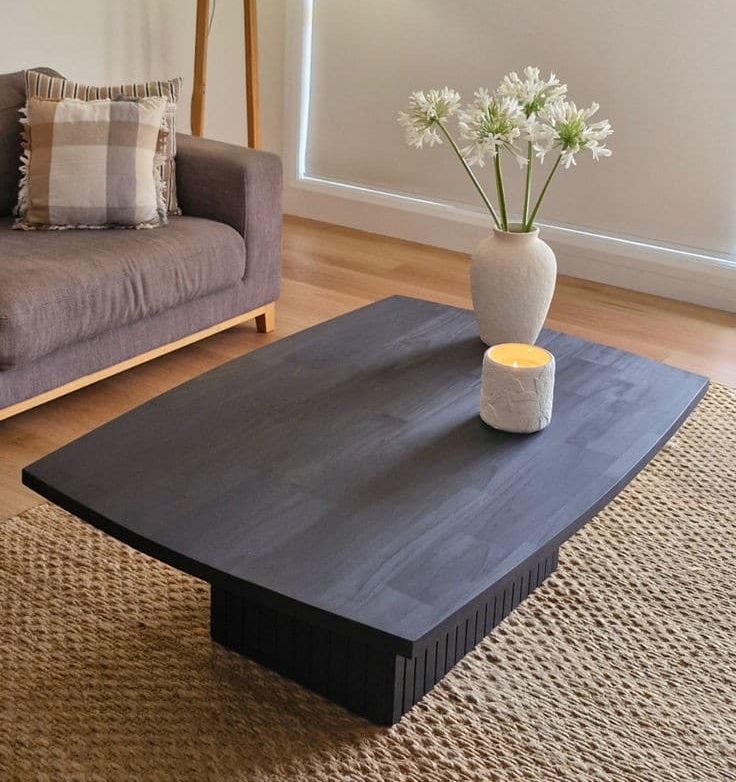
- Consistency. New timber typically offers a more uniform look making it ideal for cleaner, modern designs
- Flexibility in design. It’s easier to source specific sizes and species. Since the timber is milled prior to my collection, I can more easily hand select the timber to suit a project. Consequently I can ensure the grain and colour match the design brief
- Lower preparation time. Less processing is required compared to reclaimed materials. It’s also easier on the body and the machinery. Milling reclaimed materials to a usable state can often take me 3 – 4 days, and that’s before I even get into the project build
The Trade-Offs
Reclaimed timber:
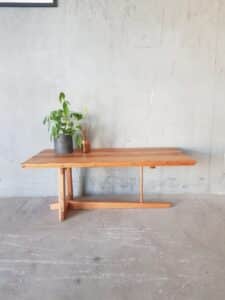
- More character such as knots, bolt holes and nail holes. Expect to see black epoxy as this is used to fill nail and bolt holes, and the often chunky sap lines that come with old growth hardwood.
- It’s hard to get specific timbers. I prefer talking colour tones when dealing with reclaimed timber and seeking material to suit the brief
- Timber selection dependant, it can be the more expensive option compared to sustainably sourced
- More labour-intensive leading to higher costs and / or longer lead time
Sustainably sourced Plantation timber:
- Typically it will have a cleaner appearance
- More predictable to work with, and less labour intensive
- In some case, sustainably sourced is the only way to go if certain timbers are required. For example, Walnut or American Oak are popular imported timber options.
Which One Is Right for You?It comes down to the look and feel you want.
Choose reclaimed timber if you:
- Value uniqueness and the story of the material
- Want a statement piece that will stand out
- Appreciate natural variation
Choose new timber if you:
- Prefer a refined, consistent look
- Want tighter control over colour and grain
- Are looking to stain the timber colour
Final Thoughts
There’s not a universally “better” option, only what’s right for your space. If you’re drawn to furniture that feels grounded, lived-in, and meaningful than reclaimed timber offers something that new materials can’t replicate.
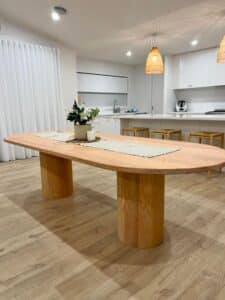
I specialise in custom dining table’s, bespoke cabinets, coffee tables and one-off statement pieces with many of my dining tables being made with reclaimed hardwoods. I find sustainably sourced new timber is popular for cabinets and entry way statement pieces. See some of my prior projects here to compare the options. Whether you’re looking for a custom dining table in Sydney or a bespoke statement piece elsewhere, we can design, build, and deliver to your location.